Back to featured insights
What Is Generative BI and Why Your Biz Needs It?
Businesses generate more data than ever, but turning it into actionable insights remains a challenge. Discover how Generative BI helps Hong Kong organisations make faster, smarter, and more confident business decisions.
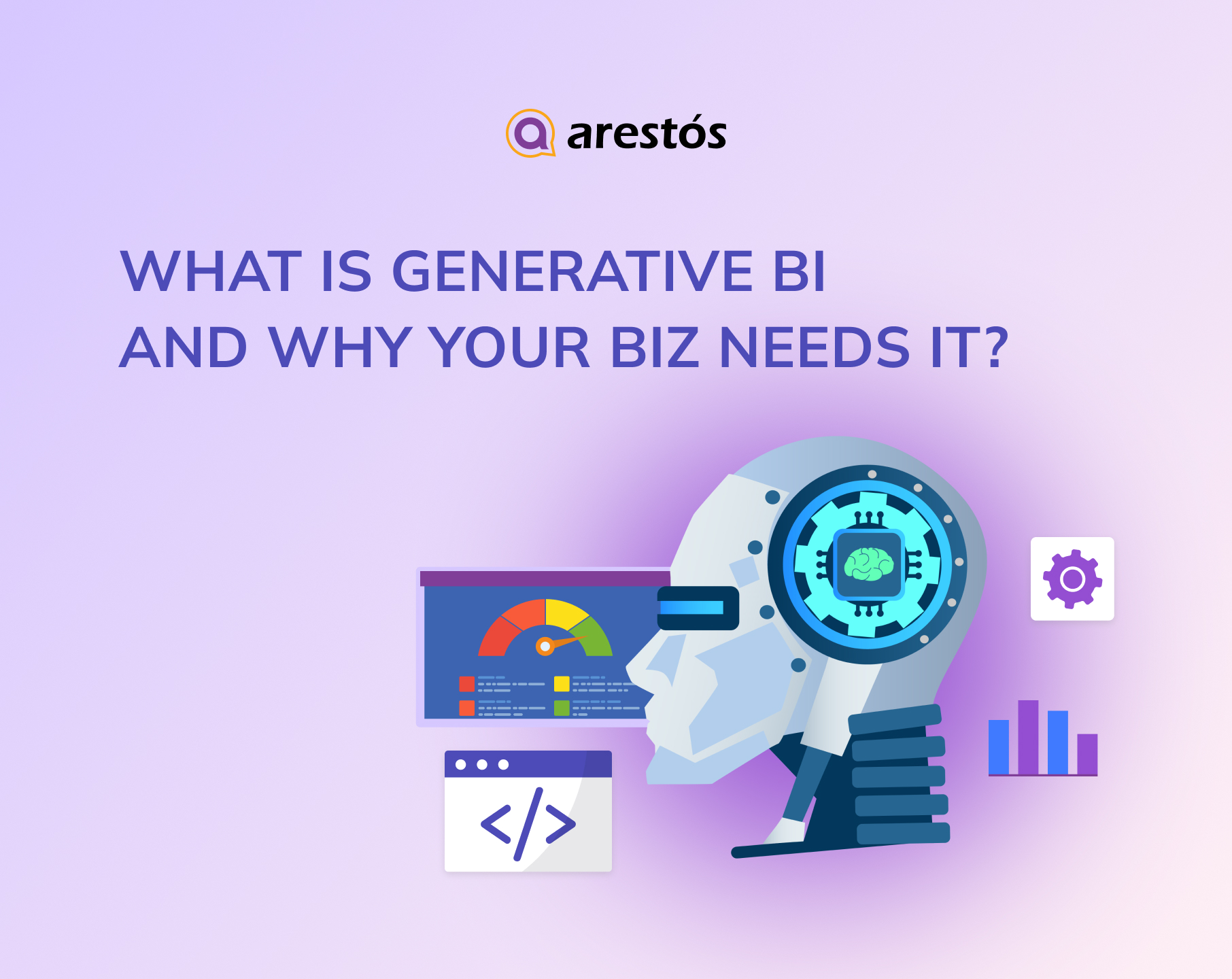

Table of Content
Share
Generative BI combines Business Intelligence with generative AI to help businesses analyse data and make faster, smarter decisions. It improves productivity, uncovers insights more quickly, and makes data accessible through natural-language queries.
Whether you’re an SME or enterprise in Hong Kong, Generative BI can help you unlock greater value from your business data. In this guide, you’ll gain a clear understanding of Generative BI and how it can help your business make more informed, data-driven decisions.
What Is Generative BI?
Generative BI is business intelligence (BI) powered by generative AI, enabling users to ask business questions in natural language and receive instant answers, visualizations, and plain-language explanations. Instead of manually creating dashboards or writing SQL queries, users simply ask a question, and the AI analyzes business data to generate insights in seconds.
Unlike traditional BI, where the workflow typically follows request → analyst → SQL → dashboard → wait, Generative BI lets anyone interact directly with data through a conversational interface.
For example, a sales manager can ask: “What were our top-selling products last quarter?”
The platform instantly generates a ranked list, a chart, and a concise explanation, making business analytics faster and more accessible.
How Does Generative BI Work?
Generative BI uses a large language model (LLM) to turn a business question into actionable insights. Instead of manually creating reports, the AI understands your request, retrieves the right data, and presents the results in an easy-to-understand format.
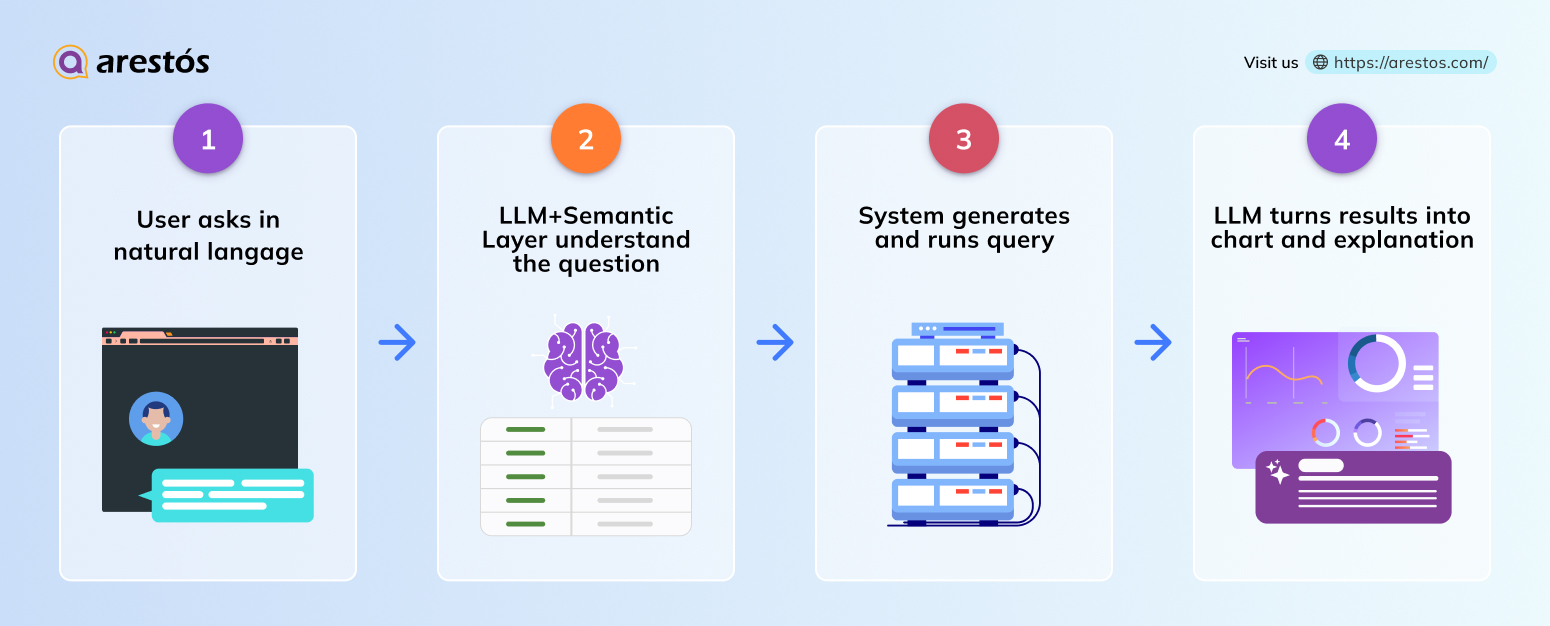
The process typically follows four steps:
Step 1: Ask a question in natural language
A user asks a question such as:
“Which products generated the highest revenue last month?”
Step 2: Interpret business terms using a semantic layer
The LLM works with a semantic layer, which maps business terms like “revenue,” “active customers,” or “monthly sales” to the correct tables and fields in your company’s database. This ensures the AI understands your business context instead of guessing.
Step 3: Generate and execute the query
Based on the mapped data, the platform automatically generates a SQL query (or another database query) and runs it against your data warehouse or lakehouse. Users never need to write code or understand database structures.
Step 4: Generate insights and visualizations
The LLM converts the query results into charts, summaries, and plain-language explanations. Instead of seeing rows of numbers, users receive clear insights they can immediately act on.
For a deeper look at the process, read How Does Generative BI Work? to understand how AI turns business questions into actionable insights.
What is the difference between generative BI and traditional BI?
Traditional BI requires analysts to build dashboards before users can access insights. Generative BI lets users ask questions in natural language and instantly receive AI-generated answers, charts, and explanations.
Rather than replacing traditional BI, it builds on top of it to make data analysis faster and more accessible.
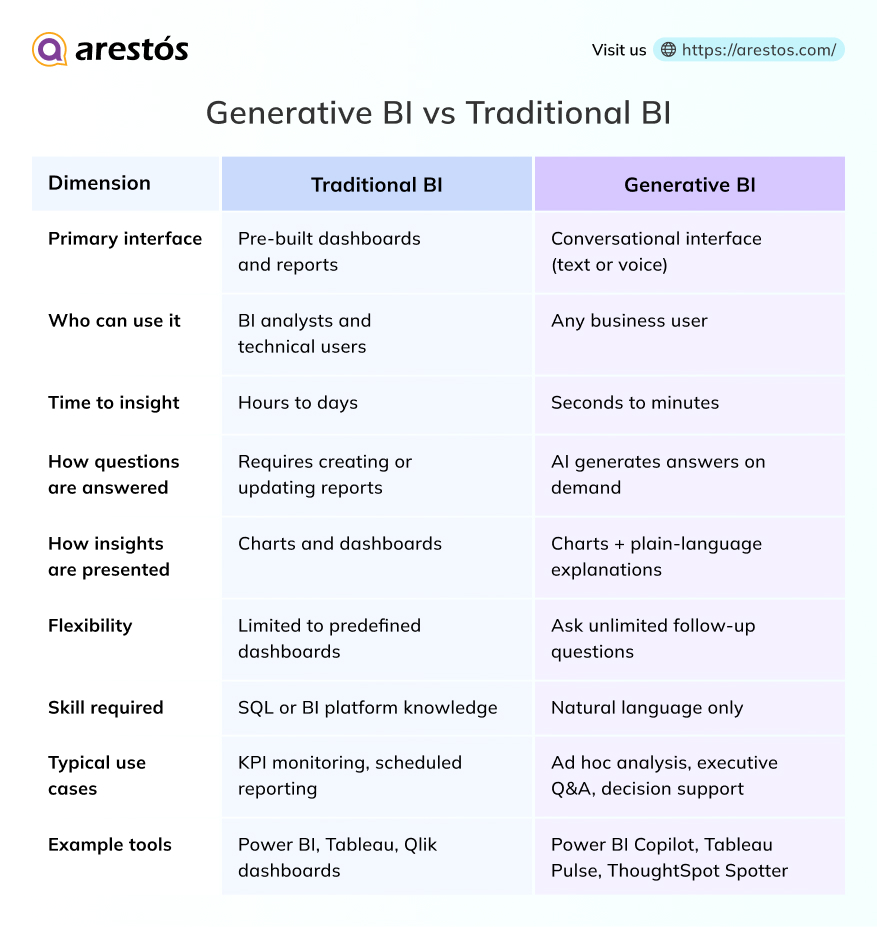
In practice, most modern BI platforms combine both approaches. Traditional dashboards remain valuable for tracking KPIs, while Generative BI enables faster, self-service exploration when new business questions arise.
Why Generative BI Matters for Hong Kong Businesses
As AI adoption grows across Hong Kong, businesses need practical ways to turn data into faster, smarter decisions. Generative BI helps bridge this gap by making business analytics accessible to every employee.
AI adoption is accelerating across Hong Kong
AI is becoming a strategic priority for Hong Kong businesses. According to the Dah Sing Bank SME Survey 2026, 23% of SMEs have already adopted AI or Generative AI, while another 32% plan to implement it within the next one to two years. As adoption continues to grow, businesses are increasingly looking for AI solutions that deliver measurable business outcomes rather than simply improving individual productivity.
Businesses are still underusing AI for data analytics
While AI adoption is growing, most Hong Kong SMEs use it for marketing and customer service rather than analytics. The Dah Sing Bank SME Survey 2026 found that 56% of SMEs use AI for marketing, 42% for customer service, but only 30% for data analysis and 14% for process automation. Generative BI helps close this gap by making data analysis accessible to every business user.
Talent shortages make self-service analytics more valuable
Hong Kong continues to face a shortage of AI and data professionals. According to the Hong Kong Productivity Council (HKPC), 49% of AI companies struggle to recruit technical talent. Generative BI reduces reliance on specialists by enabling employees to analyze business data through natural-language queries.
Government initiatives are accelerating AI adoption
The Hong Kong Government continues to promote AI through the Smart City Blueprint 2.0 and Innovation and Technology Development Blueprint. Funding programmes such as the Technology Voucher Programme (TVP), Cyberport, and HKSTP also help businesses adopt AI technologies and accelerate digital transformation.
Faster decisions create a competitive advantage
Hong Kong’s fast-moving business environment rewards companies that can make decisions quickly. By delivering insights in minutes instead of hours, Generative BI helps organizations respond faster to market changes and improve operational efficiency.
Key Benefits of Generative BI
For Hong Kong businesses, Generative BI makes data analysis faster, easier, and more accessible. It helps teams make informed decisions without relying heavily on technical specialists.
- Faster insights: Get answers, charts, and AI-generated explanations in seconds instead of waiting days for reports.
- Self-service analytics: Employees can analyze data using natural language without SQL knowledge or BI training.
- Reduced reliance on analysts: Business users can answer routine questions themselves, allowing data teams to focus on higher-value analysis.
- Multilingual querying: Support for English, Cantonese, and Mandarin makes analytics more accessible across Hong Kong and Greater Bay Area operations.
- Proactive anomaly detection: AI automatically identifies unusual trends and potential risks before they become bigger issues.
- AI-generated summaries: Every insight includes a plain-language explanation, making results easier to understand, share, and document.
Popular Generative BI Tools & Platforms
Generative BI is not a standalone product but an AI capability built into modern Business Intelligence platforms. These tools help users explore data using natural language, automatically generate insights, and make faster, data-driven decisions.
Microsoft Power BI Copilot
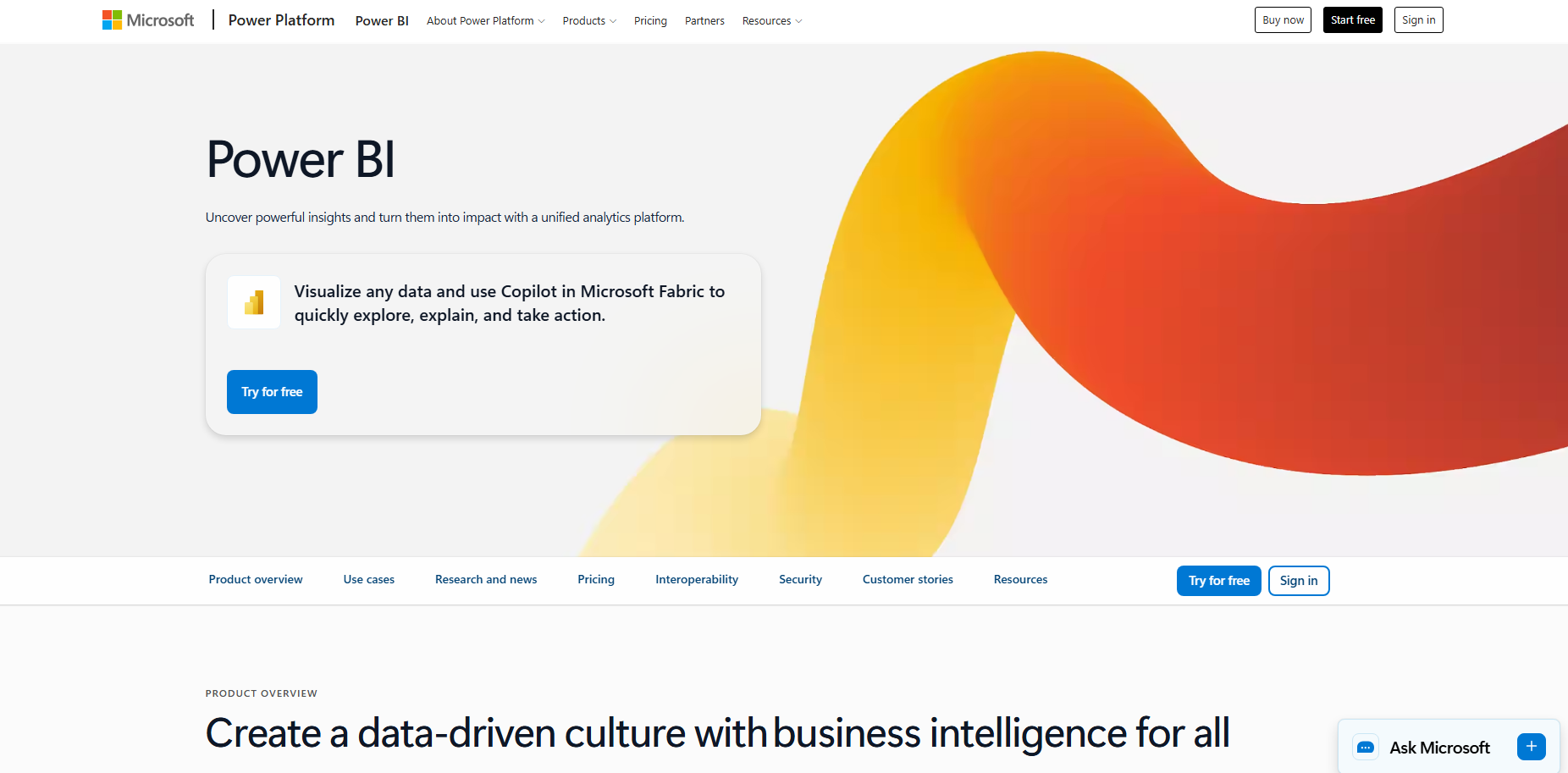
Built into Microsoft Fabric and Microsoft 365, Power BI Copilot enables users to generate reports, write DAX formulas, summarise dashboards, and analyse data using natural-language prompts. It is an ideal choice for organisations already using the Microsoft ecosystem.
Tableau Pulse
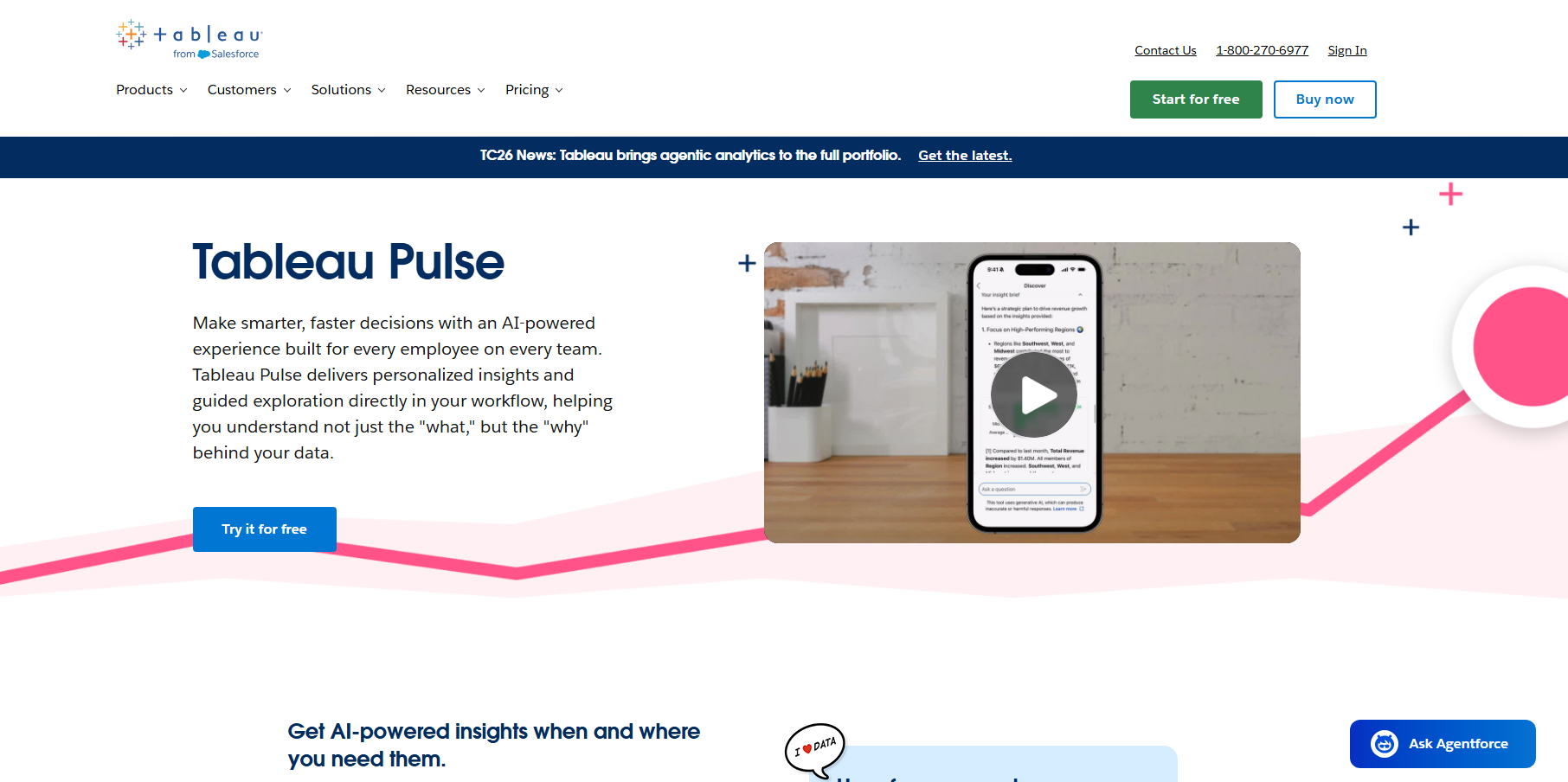
Tableau Pulse brings generative AI to Tableau Cloud by automatically monitoring KPIs and delivering personalised summaries and insights through Slack or email. Instead of waiting for users to open dashboards, it proactively highlights important business changes.
ThoughtSpot (Spotter)
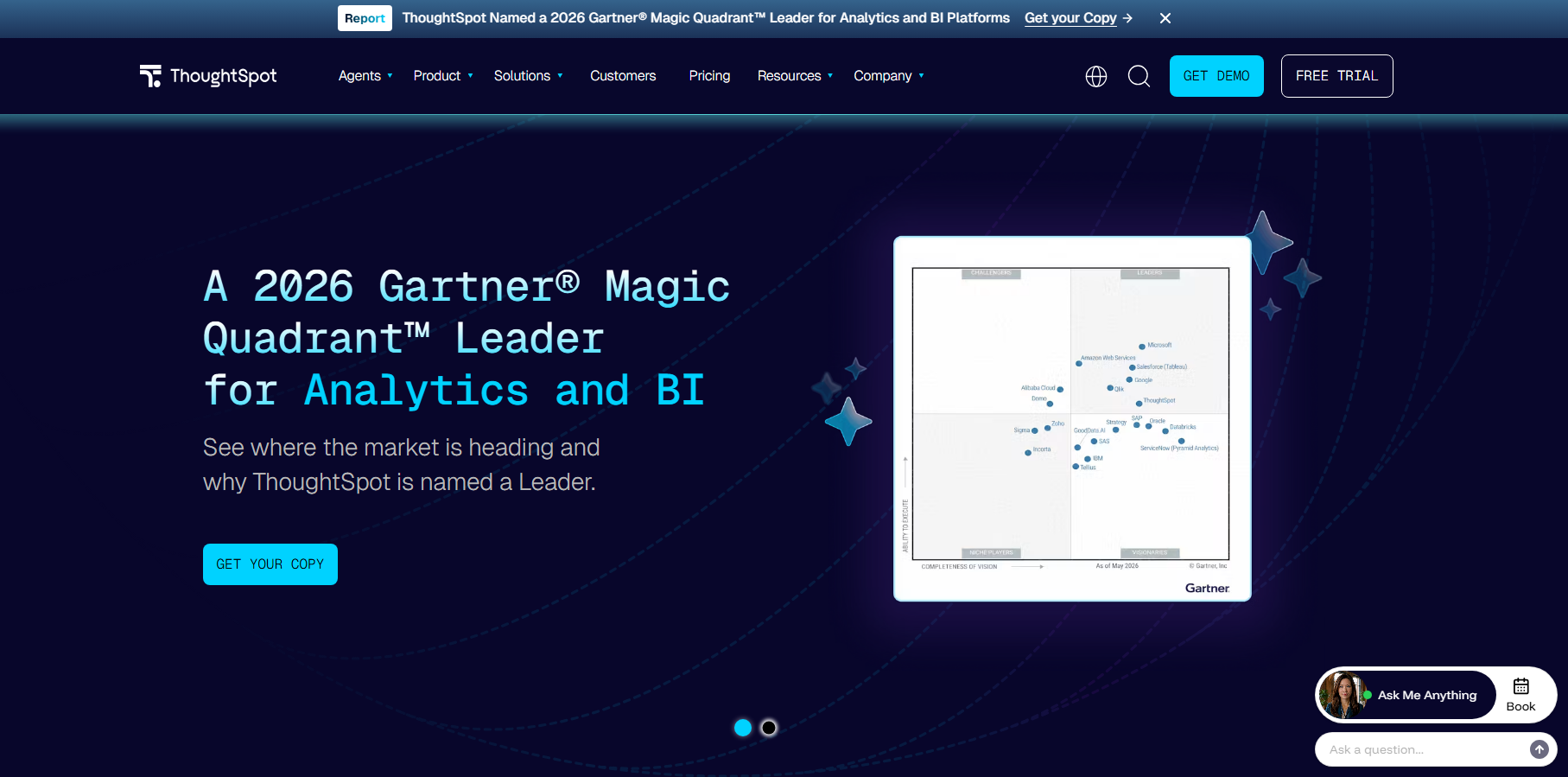
ThoughtSpot is designed around a search-first analytics approach. Users can ask business questions in natural language, while its semantic layer translates business terms into data queries, making self-service BI accessible without SQL knowledge.
Looker with Gemini
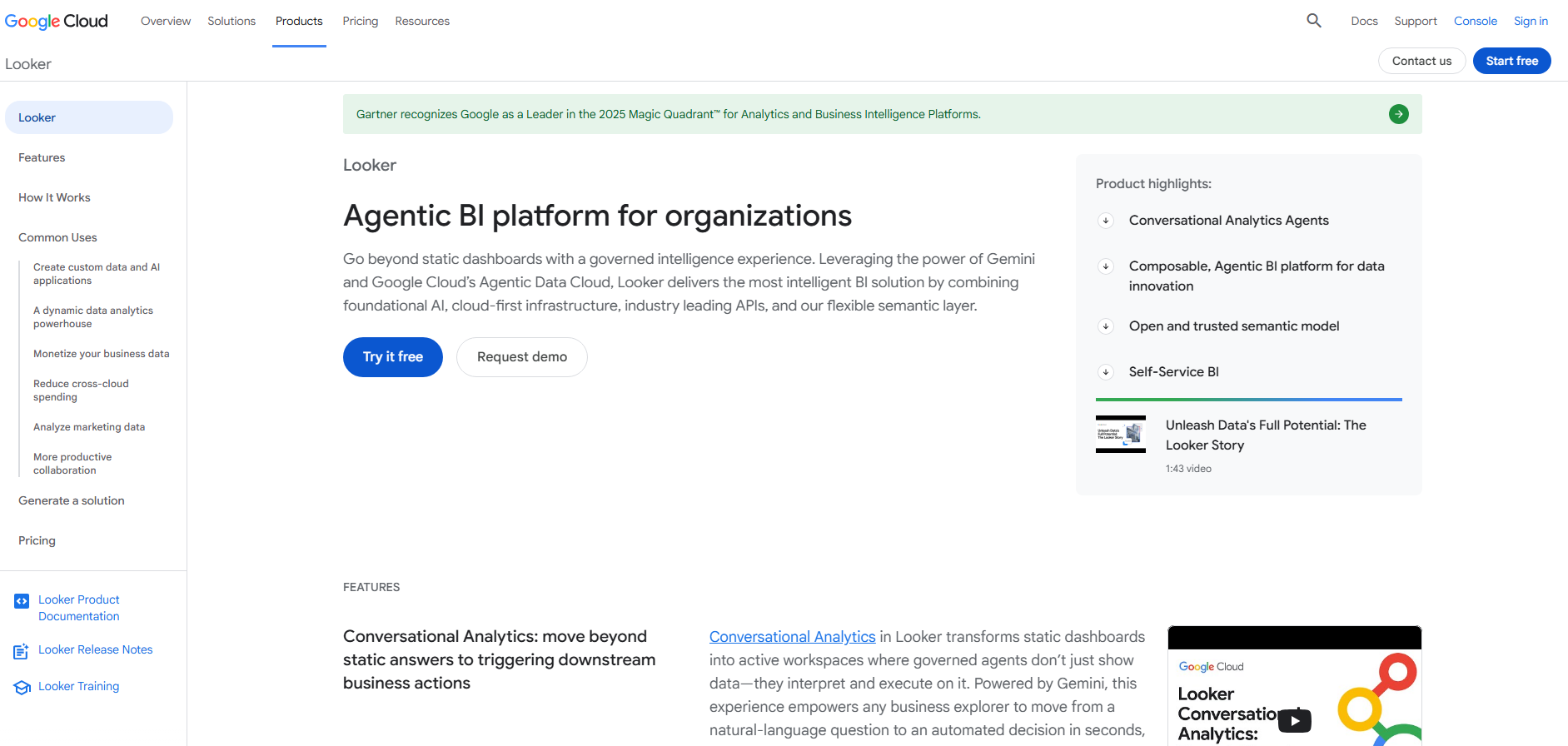
Looker integrates Google Gemini to provide conversational analytics on top of governed data models. Users can explore business data, ask follow-up questions, and generate insights while maintaining data consistency and governance.
Qlik Insight Advisor
Qlik Insight Advisor uses AI to automatically recommend charts, identify trends, and generate business insights from enterprise data. It helps users discover patterns and make decisions more quickly without manually building reports.
Businesses looking to compare different options can explore Top 10 Generative BI Tools in Hong Kong.
Which Industries in Hong Kong Benefit Most from Generative BI?
Generative BI delivers the greatest value to businesses that rely on large volumes of data to make faster, smarter, and more informed decisions.
- Financial Services: As one of the world’s leading financial centres, Hong Kong’s banks, insurers, and investment firms can use Generative BI to analyse customer behaviour, detect fraud, monitor risk, generate financial reports, and support faster decision-making.
- Retail & E-commerce: Retailers can combine sales, inventory, and customer data to forecast demand, personalise marketing campaigns, optimise pricing, and improve inventory management through AI-generated insights.
- Logistics & Supply Chain: With Hong Kong serving as a major international trade and logistics hub, Generative BI helps businesses monitor shipments, predict delivery delays, optimise warehouse operations, and improve supply chain visibility using real-time data.
- Healthcare: Hospitals, clinics, and healthcare providers can analyse patient records, appointment trends, and operational data to improve resource allocation, reduce waiting times, and support better patient care while maintaining data governance.
- Professional Services: Consulting, accounting, and legal firms can use Generative BI to analyse client data, monitor project performance, generate business reports, and identify opportunities for improving operational efficiency.
Although these industries often see the fastest return on investment, any Hong Kong organisation with reliable business data can benefit from Generative BI. The key is not the industry itself, but the quality of the data and the business decisions that AI is designed to support.
See Which Industries Benefit Most from Generative BI in Hong Kong? for more industry-specific insights and use cases.
The Future of Generative BI in Hong Kong
According to Grand View Research, the global Business Intelligence market is projected to grow at a 9.3% CAGR through 2033, driven in part by the rapid adoption of AI-powered analytics.
As Hong Kong continues advancing its Smart City Blueprint and Greater Bay Area (GBA) initiatives, Generative BI is expected to play an increasingly important role in enterprise decision-making.
- Accelerating Digital Transformation: More Hong Kong businesses are expected to integrate Generative BI into their existing BI platforms to automate analysis, reduce manual reporting, and improve decision-making.
- Supporting Hong Kong’s Smart City Vision: Initiatives such as the Smart City Blueprint will strengthen digital infrastructure and data availability, creating more opportunities for AI-powered business intelligence.
- Unlocking Greater Bay Area Opportunities: As cross-border data collaboration within the Greater Bay Area (GBA) continues to mature, businesses will be able to generate richer insights from larger and more diverse datasets.
- Becoming the New BI Standard: As AI capabilities become standard across platforms like Power BI, Tableau, Looker, and Qlik, Generative BI is likely to become a core component of Business Intelligence strategies for Hong Kong organisations.
Frequently Asked Questions
1. What is Generative BI?
Generative BI combines Business Intelligence with generative AI, allowing users to analyse data, generate reports, and gain insights using natural-language prompts instead of complex queries.
2. Can Generative BI replace business analysts or data analysts?
No. Generative BI automates routine analysis and reporting, but analysts are still needed to prepare data, validate insights, and support strategic decision-making.
3. What are the best Generative BI tools?
Popular Generative BI tools include Microsoft Power BI Copilot, Tableau Pulse, ThoughtSpot, Looker with Gemini, and Qlik Insight Advisor.
4. Is Generative BI worth it for SMEs in Hong Kong?
Yes. Generative BI helps SMEs analyse data faster, reduce manual work, and make better business decisions without requiring large analytics teams.
5. What industries in Hong Kong benefit most from Generative BI?
Industries such as financial services, retail, e-commerce, logistics, healthcare, and professional services benefit the most because they rely heavily on data-driven decision-making.
Conclusion
Generative BI is changing how businesses analyse data by combining Business Intelligence with generative AI to deliver faster insights and smarter decision-making. As adoption grows across Hong Kong, it is becoming an essential capability for organisations looking to stay competitive in a data-driven economy.
Arestós helps Hong Kong businesses implement Generative BI solutions that integrate seamlessly with their existing data and BI platforms, enabling faster, AI-powered business insights.
Contact us today for a consultation and discover the right solution for your organisation.
Subscribe to our newsletter!
Get updated to
the lastest IT trends
Related Posts
Update the latest technology trends for your business