Back to featured insights
How Does My Company Appear in AI Search Answers?
When users ask AI for the best products, services, or businesses, will your brand be recommended—or your competitor's? This guide explains how to appear in AI search answers and build the authority AI platforms trust and cite.
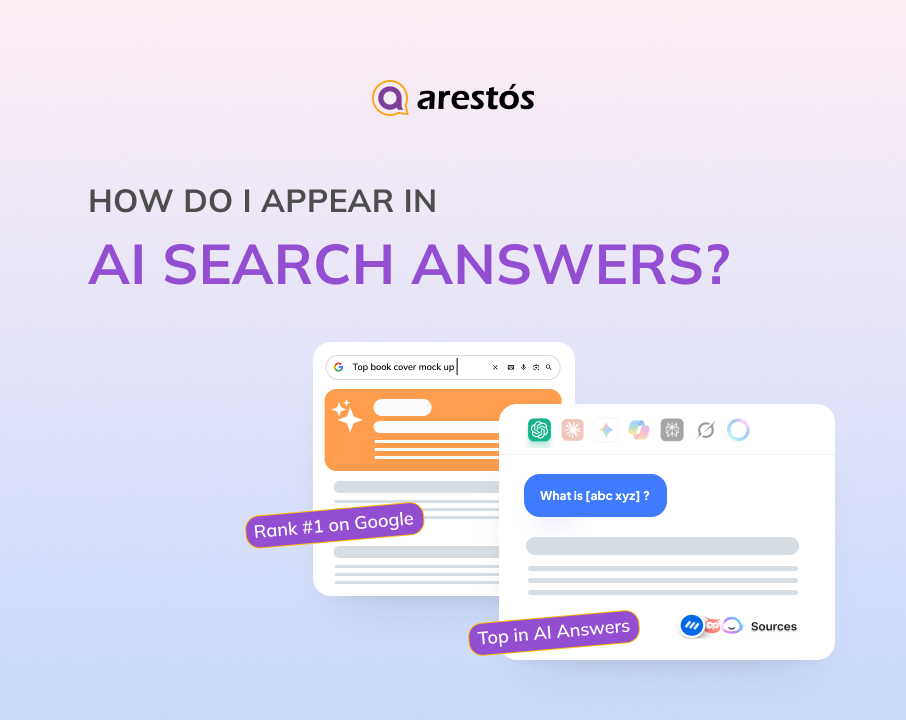

Table of Content
Share
To appear in AI search answers, businesses need to create content that AI platforms can easily understand, trust, and cite. Doing so can increase brand visibility, build credibility, and generate more qualified leads.
Whether you’re a business owner, marketer, or website manager, AI search optimization is becoming an essential part of your digital strategy. In this guide, you’ll learn how AI search engines choose sources, the key ranking signals, and practical strategies to increase your chances of being cited.
What Are “AI Search Answers,” and Why Do They Now Decide Whether Customers Find You?
AI search answers are the conversational responses generated by platforms like Google AI Overviews, ChatGPT Search, Perplexity, Claude, and Gemini instead of showing only a list of blue links.
These systems combine information from multiple trusted sources into a single answer and typically cite only a handful of websites. As a result, appearing in AI citations—not just ranking highly in search results—has become essential for online visibility.
Top 8 AI Search Platforms in Hong Kong
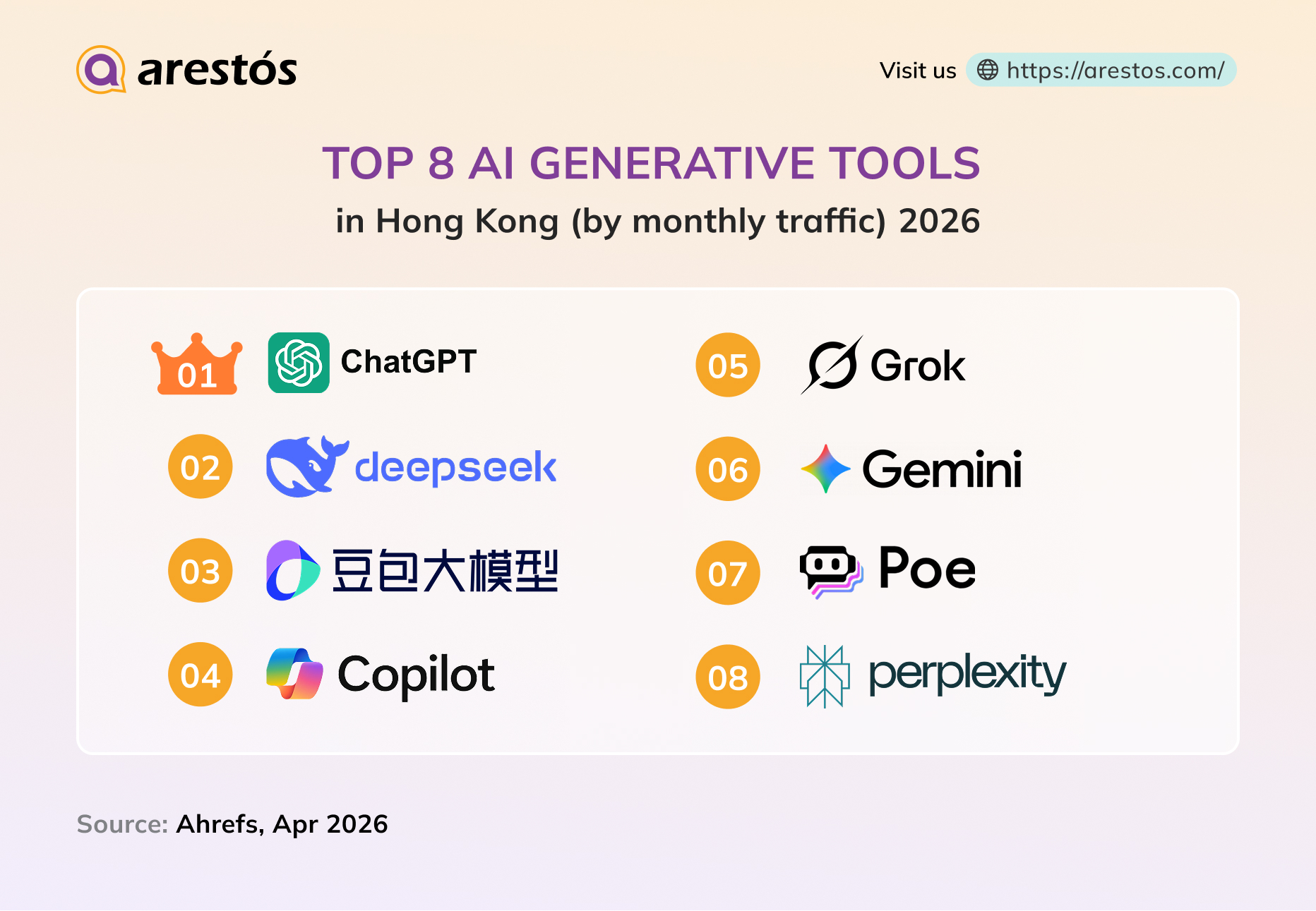
Search in Hong Kong is becoming increasingly AI-driven. Beyond traditional search engines, users now rely on AI assistants to research, compare products, and make decisions, making multi-platform optimization an essential part of modern search strategies.
- ChatGPT: The world’s most popular AI assistant for researching topics, comparing products, and finding personalized recommendations across a wide range of industries.
- DeepSeek: A fast-growing AI platform recognized for its strong reasoning capabilities, making it a popular choice for technical research, coding, and knowledge-intensive tasks.
- Doubao: ByteDance’s AI assistant, widely used in the Chinese-speaking market for information search, content creation, and everyday productivity.
- Microsoft Copilot: Integrated into Windows, Edge, and Microsoft 365, Copilot helps professionals search for information, summarize content, and complete workplace tasks more efficiently.
- Grok: xAI’s AI assistant delivers real-time answers by combining web knowledge with trending discussions, making it particularly useful for news and current events.
- Google Gemini: Google’s AI assistant combines generative AI with Google Search to provide conversational, context-aware answers across the Google ecosystem.
- Poe: Developed by Quora, Poe gives users access to multiple AI models in a single platform, making it a popular choice for comparing responses and exploring different AI assistants.
- Perplexity AI: An AI-native search engine that provides concise answers with cited sources, making it a trusted platform for research, fact-checking, and discovering authoritative information.
Zero-Click Search Is the New Normal
AI search is accelerating the rise of zero-click searches, where users get answers without visiting a website. According to SparkToro and Similarweb, 68.01% of Google searches in the U.S. ended without a click in early 2026. As AI-generated answers become more common, businesses need to optimize for AI citations—not just organic rankings.
Why Ranking #1 No Longer Guarantees Visibility
Ranking well on Google remains important, but it is no longer the only factor influencing AI visibility. An Ahrefs analysis of 15,000 queries found that just 12% of URLs cited by AI tools also ranked in Google’s top 10 organic results. The findings indicate that AI search engines rely on additional signals—including authority, relevance, and content quality—when selecting sources for generated answers.
SEO vs. AEO vs. GEO: What’s the Difference
To maximize visibility in today’s search landscape, businesses need to understand the role of SEO, AEO, and GEO:
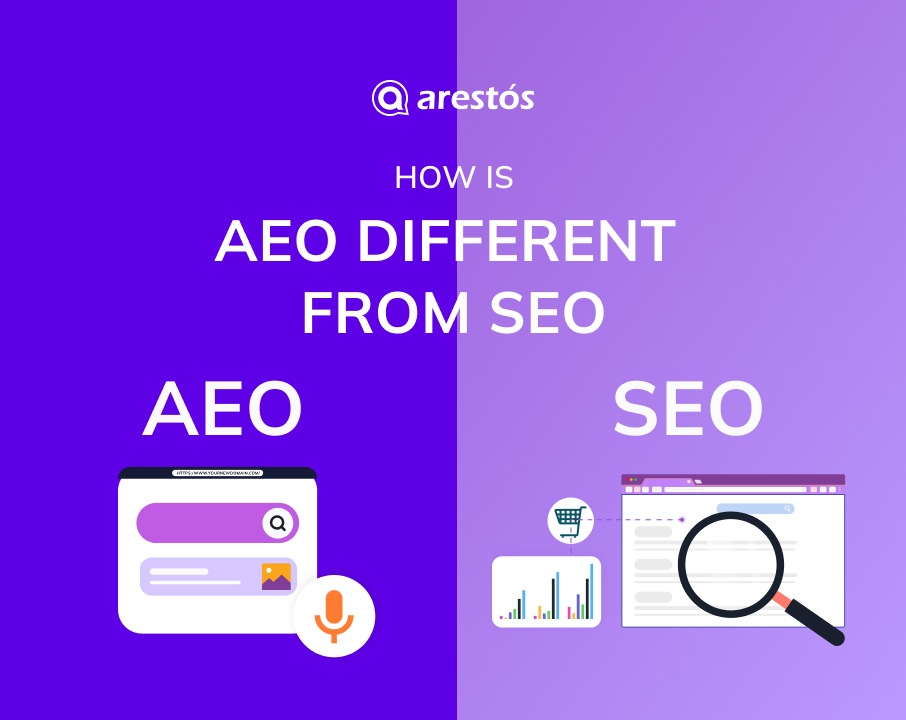
- SEO (Search Engine Optimization): Optimizes webpages to rank higher in traditional search engine results like Google and Bing.
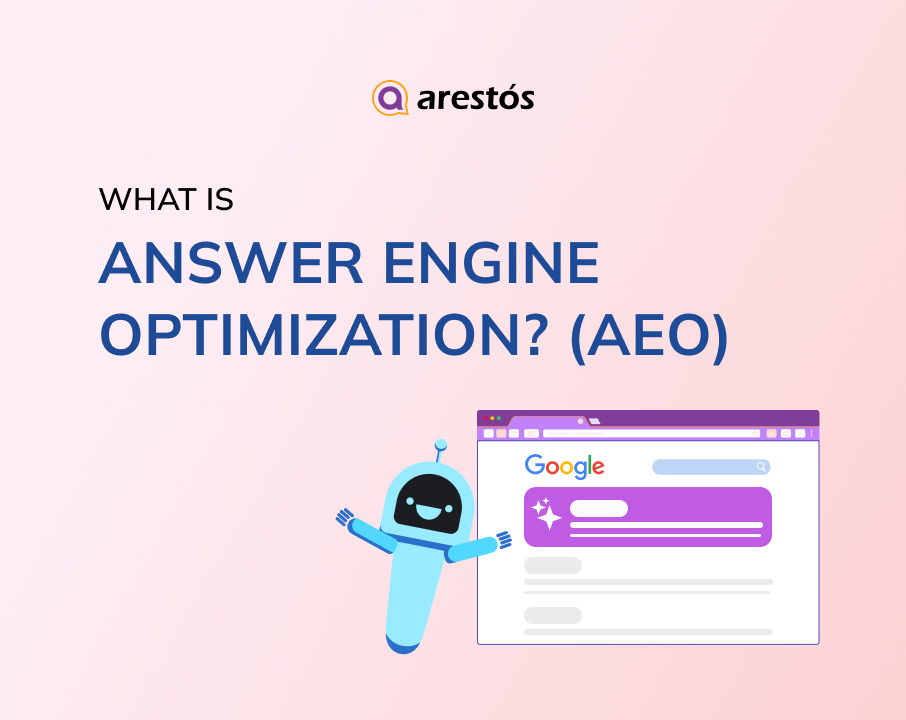
- AEO (Answer Engine Optimization): Structures content to directly answer specific questions for featured snippets, voice search, and answer engines.
- GEO (Generative Engine Optimization): Optimizes content so generative AI platforms such as ChatGPT, Google AI Overviews, Perplexity, Claude, and Gemini can retrieve, trust, and cite it in AI-generated responses.
For a deeper explanation, read our guides.
What is Generative Engine Optimization?
What Is Answer Engine Optimization?
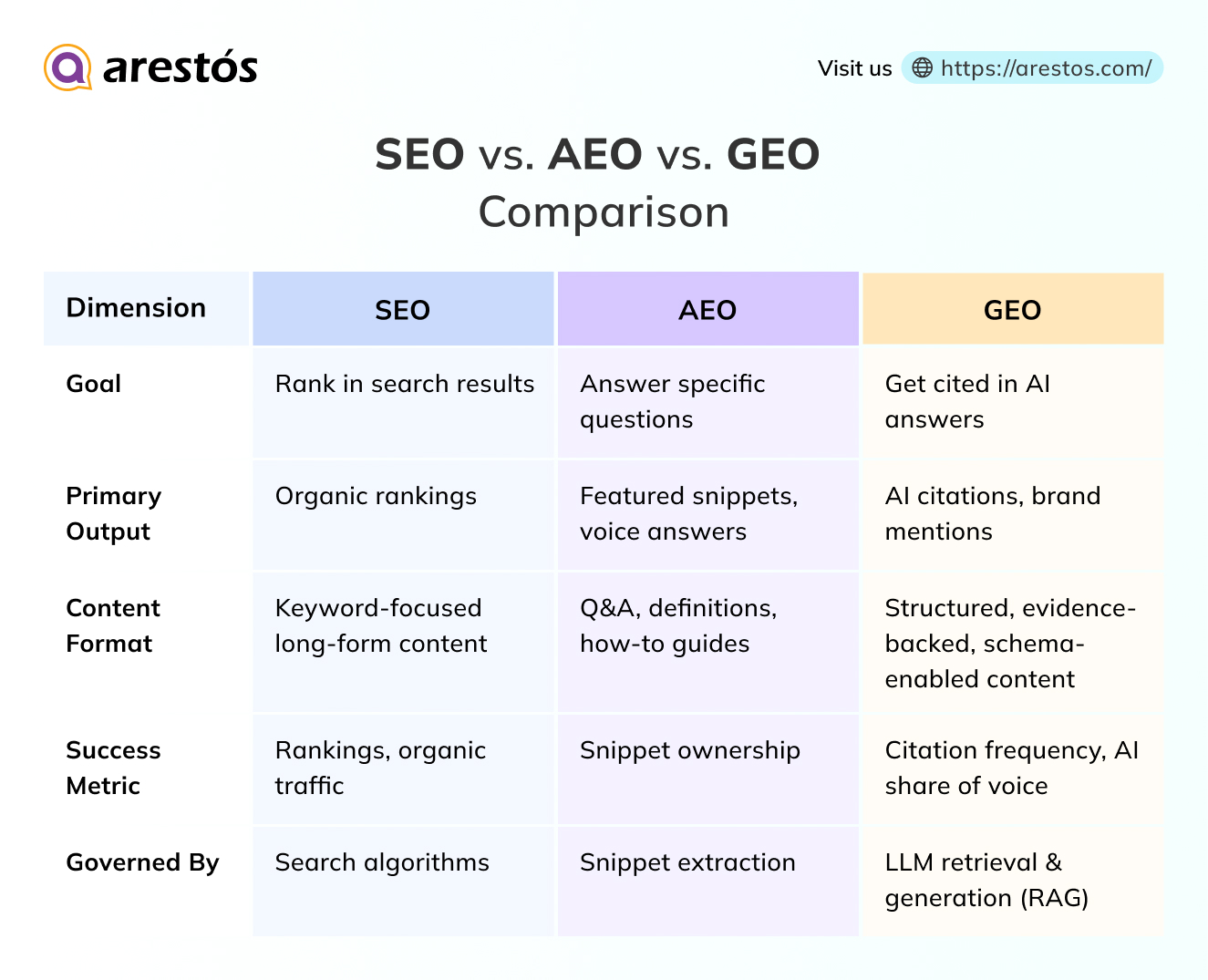
For a detailed comparison, check out our guide: AEO vs GEO: What’s the Difference?
The Key Ranking Signals That Determine AI Search Visibility
AI search engines evaluate content using these core signal groups: topical relevance, trust (E-E-A-T), technical optimization, citation-worthy evidence, and off-site authority. The stronger these signals work together, the more likely your content is to be selected and cited in AI-generated answers.
On-Page Signals
Strong on-page optimization helps AI quickly understand your content. Focus on:
- Directly answering the main question.
- Using clear headings and logical structure.
- Keeping content fresh with updated dates.
- Using consistent entity names for your brand, products, and people.
Trust & Authority Signals
AI favors content from trustworthy sources. Strengthen trust by:
- Demonstrating E-E-A-T.
- Showing named authors with relevant credentials.
- Using HTTPS.
- Earning reviews, citations, and third-party validation.
Technical Signals
Technical SEO ensures AI can access and interpret your content correctly. Prioritize:
- Schema markup.
- Crawlability and indexability.
- Core Web Vitals.
- Mobile-friendly rendering and page speed.
Off-Site Signals
AI also considers your reputation beyond your website, including:
- High-quality backlinks.
- Unlinked brand mentions.
- Digital PR and media coverage
For a deeper look at each ranking signal, read Top 10 AI Search Ranking Factors That Influence AI Citations.
Why Appearing in AI Search Answers Matters
Appearing in AI Search Answers offers more than just increased online visibility. It helps businesses build trust, reach potential customers earlier in the buying journey, generate higher-quality leads, and strengthen their competitive advantage as AI-powered search becomes increasingly popular.
Increase Brand Visibility and Awareness
Appearing in AI Search Answers helps your brand reach more potential customers, even before they visit your website. Being cited by AI platforms increases brand exposure and reinforces your presence across multiple search experiences.
Benefits:
- Increase brand awareness.
- Expand your online visibility.
- Stay top of mind during customer research.
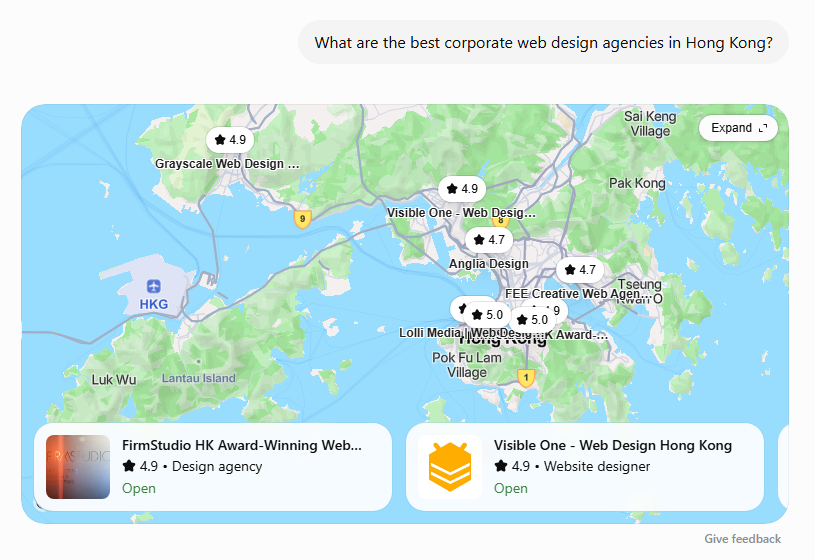
Build Trust and Brand Authority
AI platforms are more likely to reference trustworthy and authoritative sources. Consistent AI citations help strengthen your credibility and position your business as an industry expert.
Benefits:
- Build customer trust.
- Strengthen brand authority.
- Increase long-term credibility.
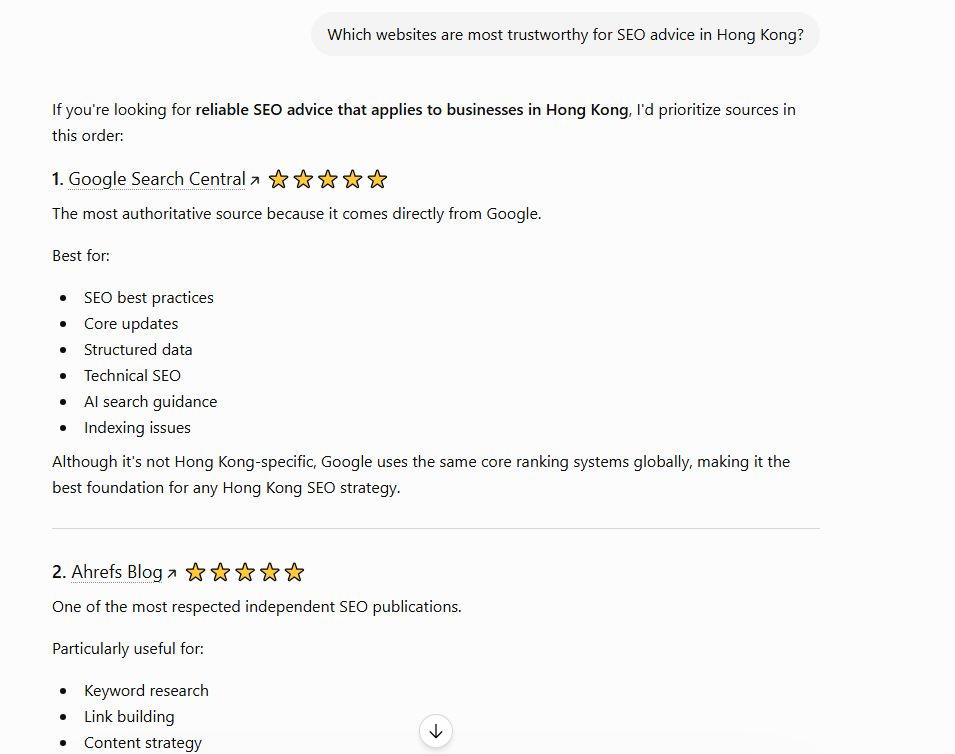
Turn AI Visibility Into Leads and Sales
Being recommended by AI helps you reach users who are actively comparing providers and ready to take action. These users often have stronger purchase intent, making AI citations a valuable source of qualified leads and conversion opportunities.
Benefits:
- Attract high-intent prospects.
- Generate more qualified leads.
- Increase sales opportunities.
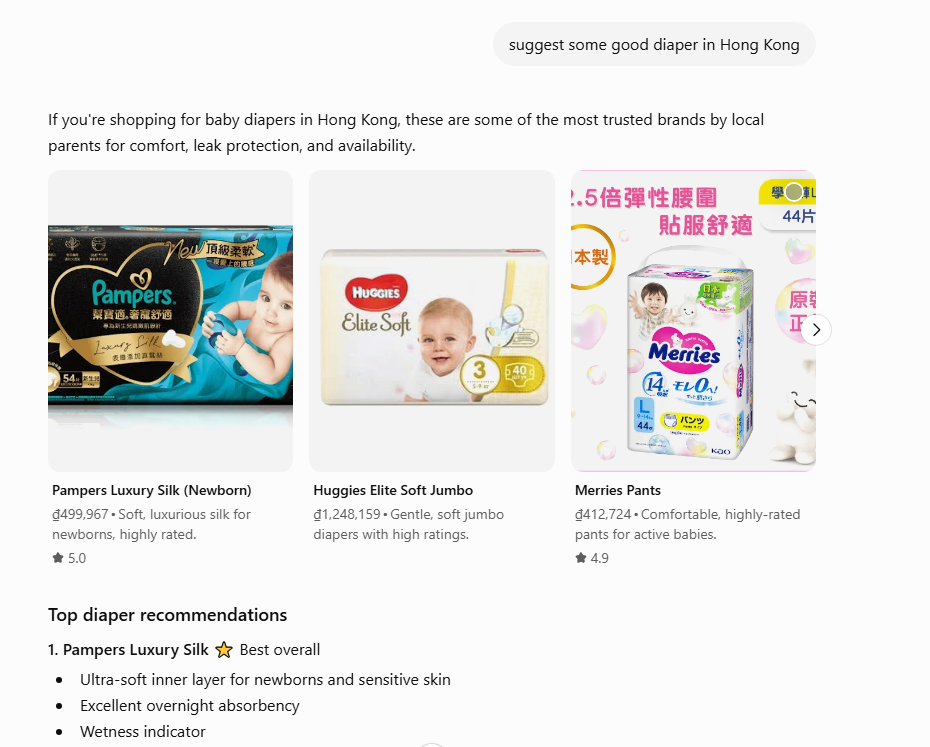
How to Appear in AI Search Answers?
To appear in AI Search Answers, your website should be easy for AI systems to discover, understand, and trust. Focus on the following optimization areas to improve your chances of being cited.
- Answer-First Content: Start each page or section with a direct answer to the user’s question before providing supporting details. This makes your content easier for AI systems to extract and summarize.
- Topical Authority: Publish a pillar page supported by related topic clusters to demonstrate expertise in a specific subject, rather than creating isolated articles targeting individual keywords.
- E-E-A-T Signals: Strengthen your credibility by showcasing expert authors, citing trustworthy sources, sharing real-world experience, and keeping your content accurate and up to date.
- Entity SEO: Clearly define your business, products, services, and authors using consistent branding and entity relationships so AI can better understand who you are and what you offer.
- Content Structure: Organize your content with descriptive headings, bullet points, comparison tables, and FAQs to improve readability for both users and AI search engines.
- Structured Data: Implement relevant Schema.org markup, such as Article, FAQPage, and Organization, to provide additional context and help search engines interpret your content.
- Original & Citation-Worthy Content: Publish original research, statistics, expert insights, or case studies that give AI platforms a compelling reason to reference your content over competing sources.
- Brand Authority: Build trust beyond your website by earning quality backlinks, media mentions, customer reviews, and citations from reputable industry sources.
- Technical SEO: Maintain a fast, mobile-friendly, and crawlable website with strong Core Web Vitals so AI crawlers can efficiently discover and access your content.
- Content Freshness: Regularly review and update your content to ensure it remains accurate, relevant, and aligned with the latest industry developments.
Explore our in-depth guides below to learn how to improve your visibility in AI Search Answers.
How To Get Cited By AI: 8 Optimization Tips
How to Rank in Google’s AI Overviews
How to Use AI for Content Optimization
AI can help you create better content faster, but it works best as an assistant—not a replacement for human expertise.
By combining AI with proven SEO, AEO, and GEO best practices, you can produce content that is more helpful, easier for AI systems to understand, and more likely to appear in AI Search Answers.
Ways AI Can Improve Content Optimization
- Content Research: Use AI to analyze search intent, discover related questions, identify content gaps, and generate topic ideas before writing.
- Content Structure: Build clear outlines with logical headings, answer-first sections, and FAQs that improve readability and AI comprehension.
- Content Enhancement: Refine clarity, expand important sections, improve readability, and optimize content for both users and AI search engines.
- Content Maintenance: Regularly update existing pages with new data, examples, and industry trends to keep content accurate and competitive.
For practical strategies and examples, read 6 Ways to Use AI for Content Optimization.
Frequently Asked Questions
1. How do I get my website mentioned by ChatGPT?
Publish authoritative, well-structured content, build E-E-A-T and topical authority, and optimize your website for AI search.
2. Does ChatGPT use Google search results?
Not directly. ChatGPT uses multiple sources, including web search when available, to generate answers.
3. Why is my website not showing up in AI search results?
Your website may lack authority, high-quality content, technical optimization, or strong trust signals.
4. Will AI search replace Google?
No. AI search complements traditional search rather than replacing it.
5. How long does it take to appear in AI search results?
There is no fixed timeline. It depends on your website’s authority, content quality, and optimization.
Conclusion
Optimizing for AI Search is becoming an essential part of modern SEO. By following the strategies in this guide, you can improve your chances of appearing in AI search answers, strengthen your online presence, and stay competitive as AI-powered search continues to evolve.
At Arestós, we help businesses build an AI-ready web presence through our AEO & GEO services. Whether you’re just getting started or looking to improve your existing strategy, our experts can help you maximize your visibility across both search engines and AI platforms.
Contact us today to future-proof your search strategy.
Subscribe to our newsletter!
Get updated to
the lastest IT trends
Related Posts
Update the latest technology trends for your business